

AG launches drive to clean up Kenya’s outdated laws

NAIROBI, July 22 By Mary Ndanu
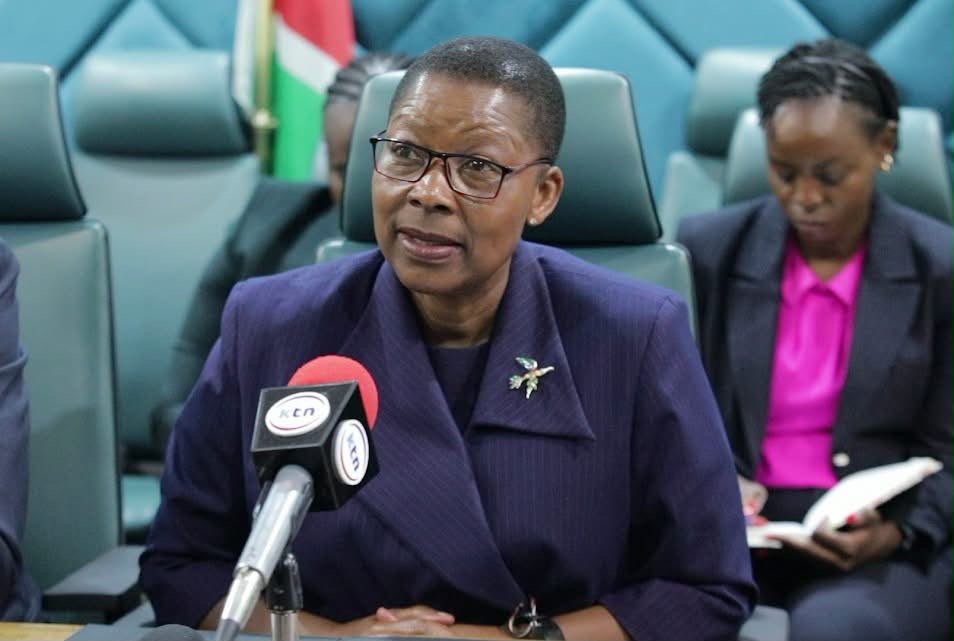
Attorney General Dorcas Oduor has launched a multi-sectoral committee tasked with cleaning up Kenya’s statute book and aligning the country’s laws with the Constitution and judicial decisions.
The committee on Legislative Reform and Alignment will review laws and statutory provisions that have been declared unconstitutional by courts but remain on the statute books, as well as identify obsolete laws that no longer serve a practical legal or administrative purpose.
Speaking during the official launch of the committee at the Executive Board Room of the Attorney General’s Chambers on Wednesday, Oduor said the continued existence of laws invalidated by the courts had created legal uncertainty and complicated the implementation of government programmes.
She said the initiative was necessary to address a persistent gap between court decisions and subsequent legislative action.
“Court decisions alone do not automatically clean up the physical text of the Laws of Kenya. That responsibility falls on the Executive and Parliament,” said Oduor.
The Attorney-General said Kenya’s legal framework had not fully kept pace with the transformative changes introduced by the Constitution of Kenya, 2010, which fundamentally reshaped the country’s governance structure, administrative systems and human rights framework.
According to Oduor, an audit of judicial decisions had revealed dozens of statutory provisions and regulations that had been declared unconstitutional, invalid or inconsistent with the Constitution but remained embedded in legislative texts.
She warned that the situation had contributed to legal uncertainty, implementation bottlenecks and fragmented laws, while exposing the Government to costly and avoidable constitutional litigation.
“It is against this backdrop that I am proud to officially launch the Multi-Sectoral Committee on Legislative Reform and Alignment,” she said.
Oduor said the committee would serve as an inter-institutional engine room for modernising Kenya’s legal architecture and ensuring that laws reflected constitutional principles and contemporary public interest.
The committee will review judicial jurisprudence to identify statutory provisions and subsidiary legislation declared unconstitutional or invalid by courts of competent jurisdiction.
It will also identify obsolete, redundant and spent laws for possible repeal, examine legislative and policy gaps that have emerged from constitutional and institutional developments, and recommend measures to harmonise the country’s legal framework.
The recommendations may include the repeal, amendment or consolidation of existing laws, as well as the enactment of new legislation where necessary.
The Kenya Law Reform Commission (KLRC) will chair the committee, with the secretariat jointly drawn from the Office of the Attorney-General and the Commission.
Oduor challenged members of the committee, drawn from the fields of constitutional law, legislative drafting, public administration and human rights, to approach the task with intellectual rigour and an unwavering commitment to the public interest.
She described them as custodians of Kenya’s statutory integrity, urging them to undertake a comprehensive and meticulous review of the country’s laws.
The Attorney-General also welcomed the media’s role in keeping the public informed about the reform process, saying transparency would be critical as the Government moves to modernise the statute book.
Oduor said a cohesive and up-to-date legal framework was essential for economic growth, social justice and political stability.
She added that aligning Kenya’s laws with the Constitution would reduce unnecessary litigation, protect public resources and create a more predictable legal environment for citizens, businesses and government institutions.
The Attorney-General officially launched the committee before its inaugural meeting commenced.
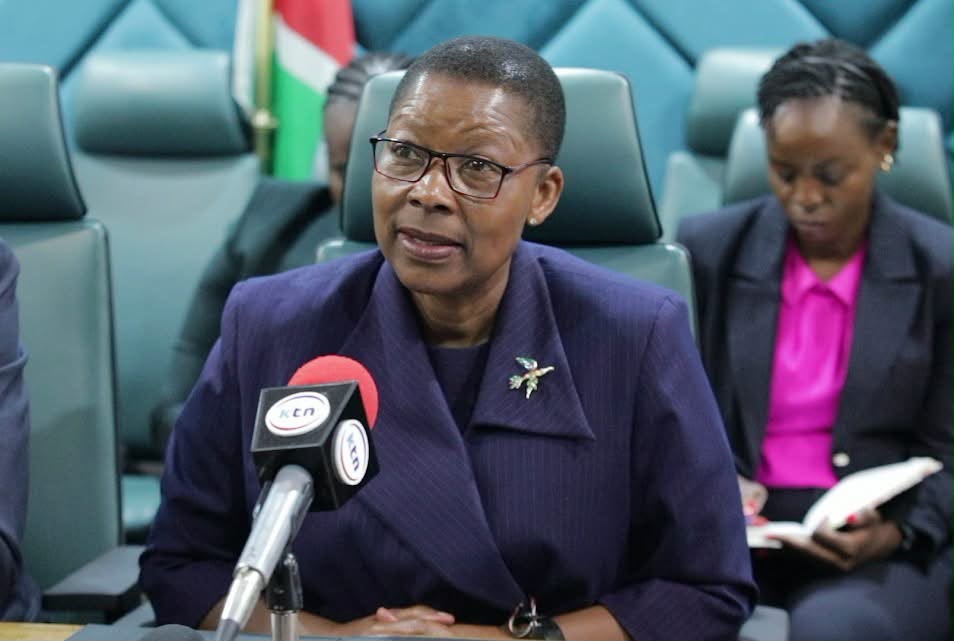
Photo caption:
Attorney-General Dorcas Oduor addresses members of the Multi-Sectoral Committee on Legislative Reform and Alignment during its official launch at the Attorney-General’s Chambers in Nairobi on July 22, 2026.