
Kenya Strengthens Fight Against Malaria Through New National Strategy

Nairobi,3rd,August 2026, by Faith Musengya
Kenya has stepped up efforts to eliminate malaria through the Kenya Malaria Strategy 2023–2027 as the country marked World Malaria Day. The strategy aims to reduce malaria cases across the country and eventually eliminate the disease by improving prevention, treatment and community awareness.
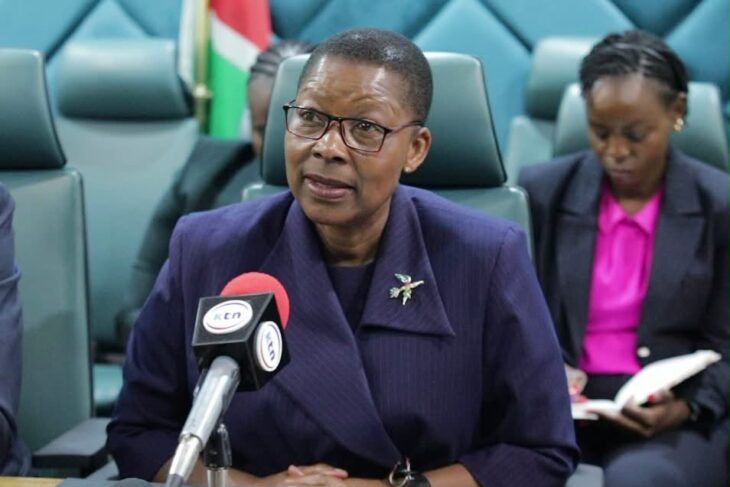
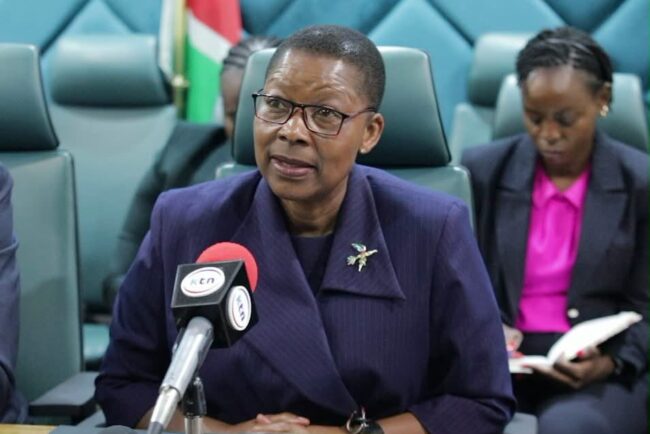
Speaking during the World Malaria Day celebrations in Gichugu, Kirinyaga County, Public Health Principal Secretary Mary Muthoni said Kenya has made good progress in reducing malaria infections over the past few years. She said the malaria prevalence rate has dropped from 8 per cent to 6 per cent because of government efforts to control the disease.
Muthoni said the government has distributed more than 14.6 million long-lasting insecticide-treated mosquito nets to households across the country. She added that indoor spraying of homes in malaria-prone areas has also helped reduce the spread of mosquitoes that transmit the disease.
She, however, noted that malaria remains a major health challenge in western Kenya and the coastal region, where weather conditions and the environment favour mosquito breeding. She said more attention should be given to these areas through targeted prevention and treatment programmes.
The Principal Secretary explained that the Kenya Malaria Strategy is based on four main areas. These include ensuring equal access to health services, promoting innovation such as the malaria vaccine, increasing local funding for malaria programmes, and using digital technology to improve disease surveillance and response.
Muthoni also highlighted the important role played by community health promoters. She said they help educate families on malaria prevention, encourage early testing, and ensure patients receive treatment quickly. According to her, involving communities is key to achieving the country’s goal of eliminating malaria.
Kirinyaga Deputy Governor David Githanda said the county has recorded fewer malaria cases compared to many other parts of the country. He attributed this to the distribution of mosquito nets, free malaria treatment in public health facilities, and public awareness campaigns.
However, Githanda said some areas, especially around Thiba Dam and the Mwea irrigation scheme, remain at higher risk because stagnant water provides breeding places for mosquitoes. He said the county government is carrying out mosquito control activities and educating residents on how to prevent malaria.
Both leaders urged Kenyans to take personal responsibility by sleeping under treated mosquito nets, clearing stagnant water around their homes, and visiting health facilities immediately when malaria symptoms appear.
They said malaria is both preventable and treatable and called on everyone to support the national campaign, “Zero Malaria: Kaunti Zetu, Jamii Zetu, Wakati Wetu,” to help achieve a malaria-free Kenya.